
A Nutritionist’s Philosophy You Can Start Encorporating Tomorrow! Satoko Nagasaka, Dedicated Registered Dietitian of the Rakuten Eagles
Posted
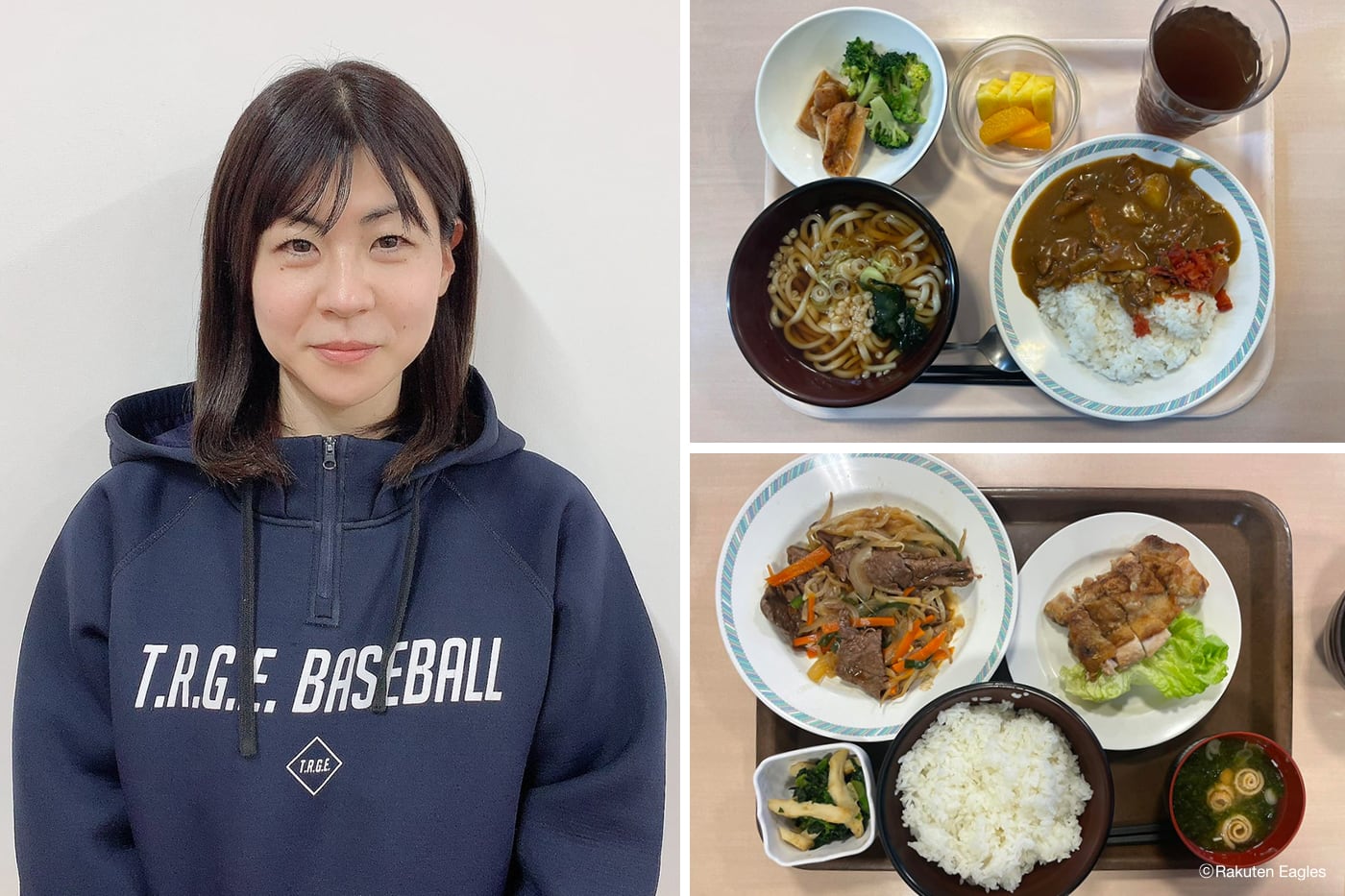
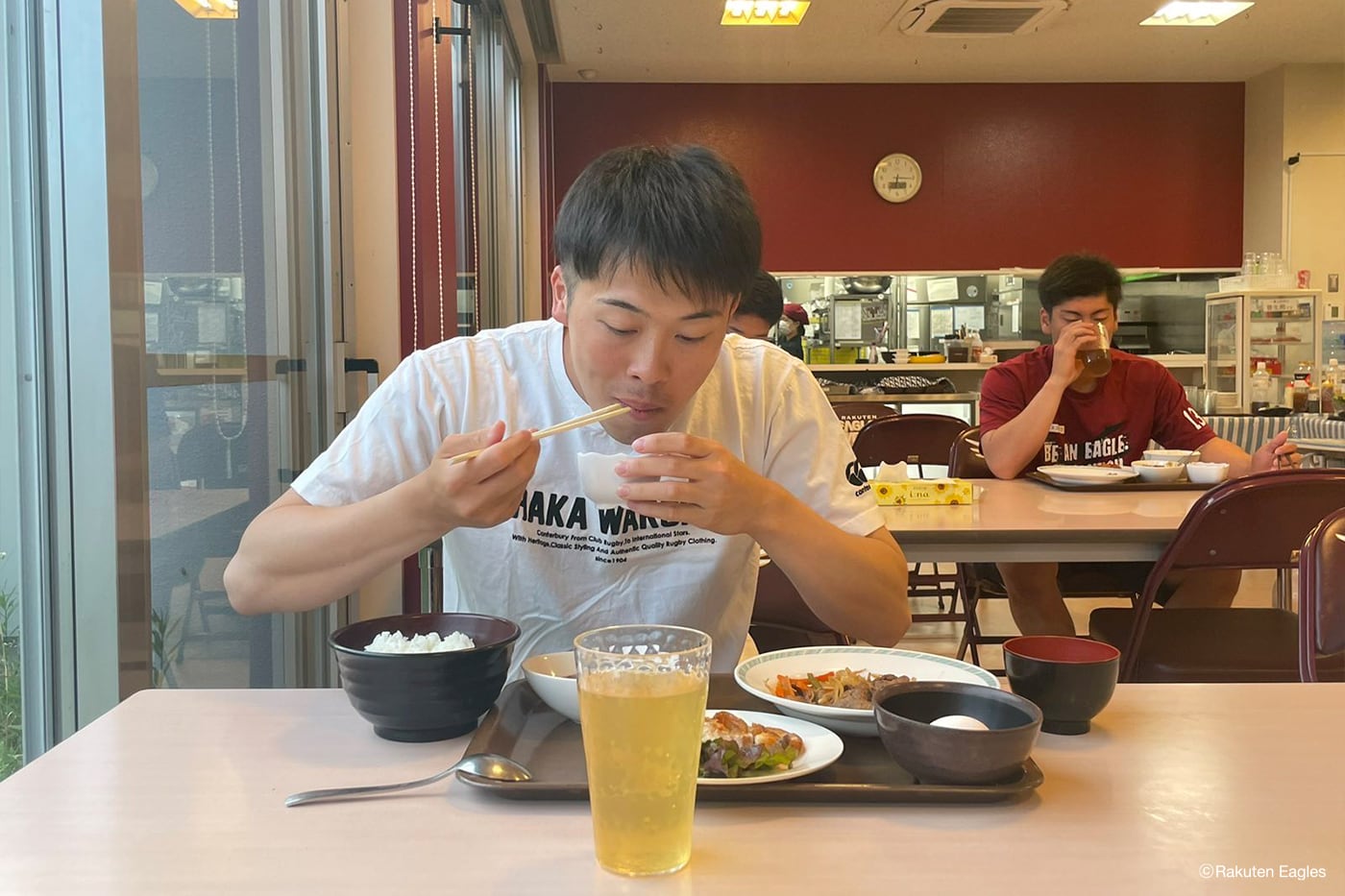
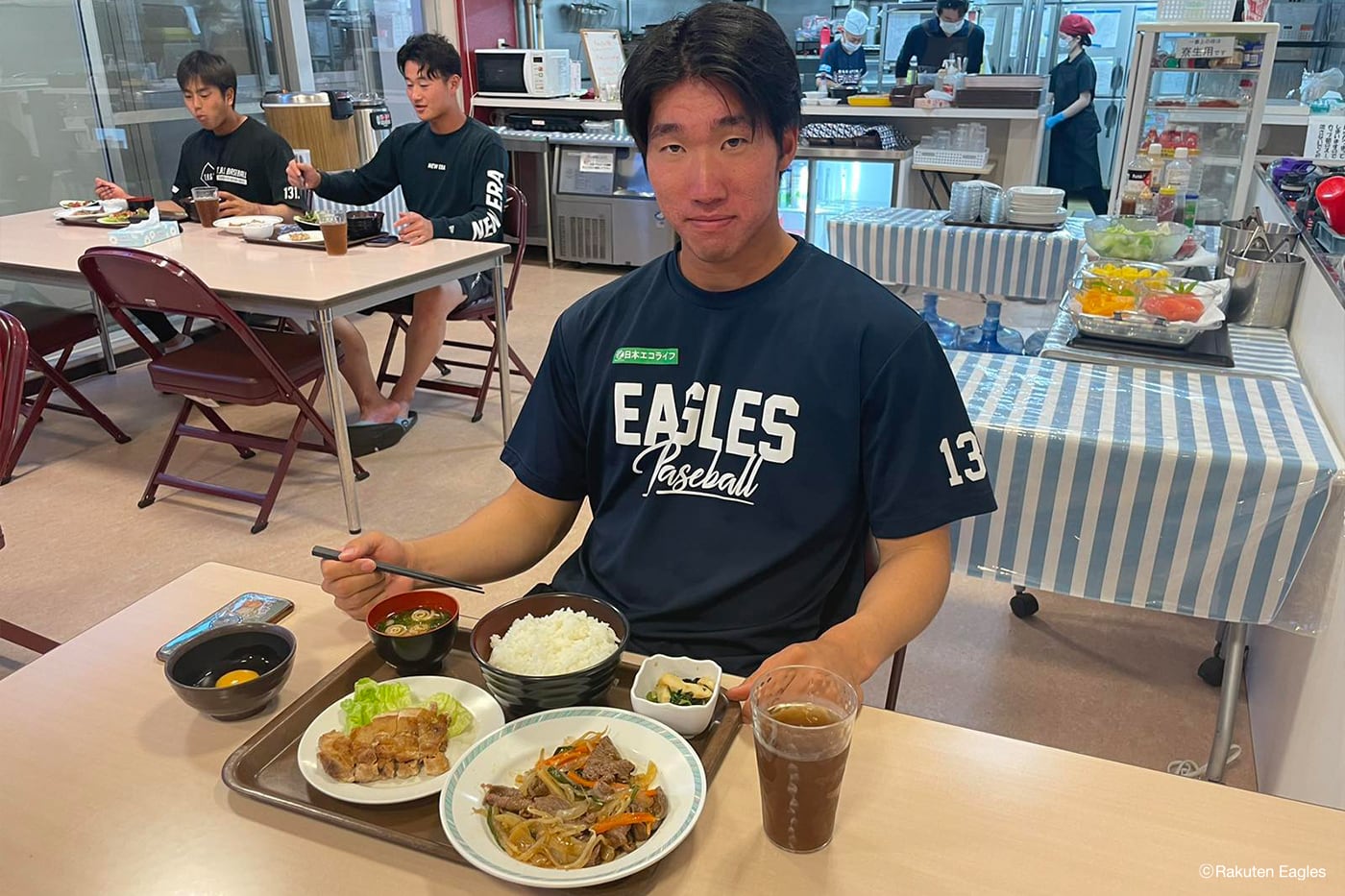
The approach professional athletes take toward food is, as you'd expect, on a professional level. But they don’t always eat expensive meals; what matters above all is the mindset. Satoko Nagasaka, who serves as the dedicated registered dietitian for the Tohoku Rakuten Golden Eagles, shares her approach to nutrition with tips you can start using as early as tomorrow's breakfast!
——You’ve been serving as the Rakuten Eagles’ registered dietitian since 2016, managing the diet of all players across both the first and second teams, as well as the meals at away stadiums and hotels. What are some things you keep in mind when you provide dietary support for professional athletes?
Food is the most fundamental of all basics. Because it forms the very foundation of the body, diet is tremendously important for athletes no matter what sports they play. No matter how well you train, if your diet isn’t solid before and after training sessions, that will ruin everything. That’s why I’m always thinking about how to adjust the menus so the players will actually eat them. No matter how nutritious a dish you offer, if the players don’t eat it, it’s pointless.
——Does the reluctance to eat come from dislikes of certain foods?
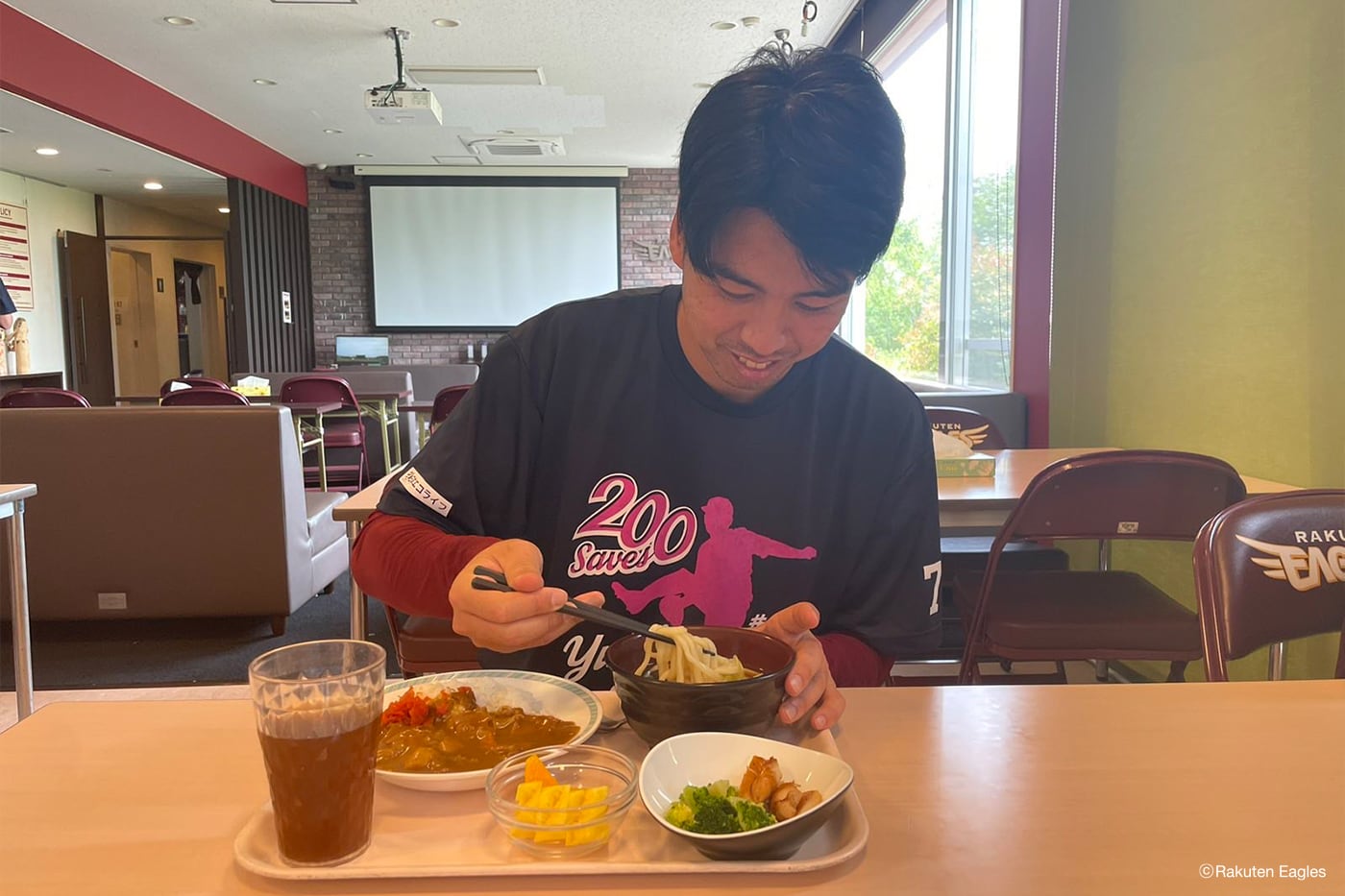
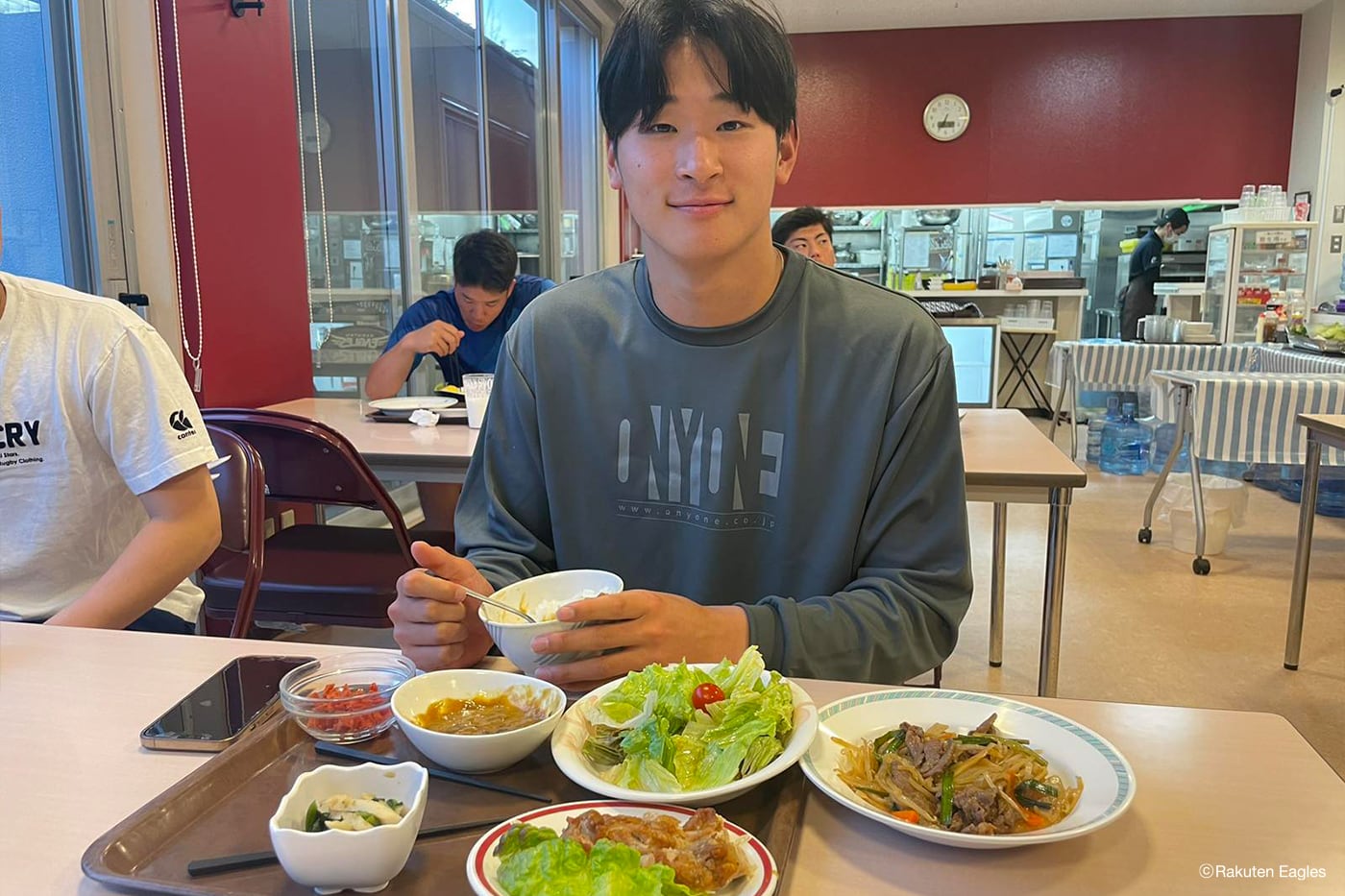
Looking at the Eagles players, there are very few with strong dislikes. They’re highly conscious about what they eat, and many actively choose what they eat to reflect their condition, or come to me for advice on what they should be eating. That said, many prefer home-made food, so there’s a tendency to stay away from dishes that either look or taste elaborate, or when they can’t imagine what the food will taste like by just looking at the menu. So when we’re traveling for away games, I ask the restaurant chefs at hotels to keep things as simple as possible in both appearance and flavor, and with sauces served on the side, so that each player can eat the way they prefer. Another thing I do to get the players to eat is to put up notes near the dishes explaining what nutrients each food contains and why it’s beneficial to eat them.
——Watching the players eat, do you ever notice changes that indicate how they’re feeling physically?
When someone’s eating less than usual, I suspect that they might be a bit tired or not sleeping well. In those cases, I’ll go talk to them or suggest alternative menus that may be easier to eat. For players who struggle to eat breakfast, I sometimes recommend supplementary snacks. At away stadiums, we have onigiri (rice balls) and sandwiches prepared for them, so I’ll tell them, ‘Try to eat a rice ball or a jelly drink when you get to the stadium,’ to make sure they’re getting their energy. But I’ll never force them to eat.
——So you’re mindful of not making food a source of stress.
The players come under a lot of pressure and stress in their games, so I want mealtimes to be a relaxed, enjoyable experience for them. I want to establish a solid nutritional foundation while always having something that players actually want to eat. There’s hardly any nutrient that can only be found in one specific dish, so if, for example, a player can’t eat fish, they can have meat instead. Of course I take nutrition into account, but I think it’s more important to keep an eye on what each player is eating and try to gradually expand the types of things they can eat and preparation methods they’ll accept.
——Do you have any particular philosophy when it comes to managing the Eagles players’ diet?
When players say something like ‘This is delicious!’ or ‘I love this’ about a certain food or dish, I make a note of it and try to incorporate it into future menus. And when we’re on the road, if there’s a dish at a particular hotel or stadium that players tell me they like, I make sure to always request that dish.
——Food is something everyone needs, not just athletes. Do you have any dietary advice for our readers?
There’s no single nutrient that you can just keep eating to keep you healthy, and on the other hand there also isn’t a single thing that everyone has to eat. So if there is something you dislike, you can just eat something else with similar nutrients. I think it’s important for children and adults alike to eat a variety of foods and take in a wide range of nutrients. It’s also said that the eating habits formed in childhood influence one’s dietary habits later in life, so for readers with young children, I’d encourage you first to establish the habit of eating three solid meals a day, and to focus on getting them to eat a wide variety of foods, rather than trying to make your child eat something they don’t like.
——With the spread of protein supplements, we hear a lot these days about the importance of protein. Is it a nutrient we should be consuming more of?
No, what matters most is to eat a balanced diet, not taking more of any particular nutrient. It’s said that protein is especially important for people who play sports, but at the same time, I also want them to also take in carbohydrates, which are not just a major energy source but also the building blocks of the body. Timing is also important. It’s widely known among nutritionists that getting adequate protein at breakfast is crucial. When you go for a long time without eating, muscle breakdown accelerates―so protein is needed as the raw material for building muscle. This applies not just to athletes but to the general public and even the elderly in terms of maintaining muscle mass: getting protein at breakfast matters. Rather than just having bread and coffee for breakfast, try adding things like milk, eggs, and ham.


INTERVIEW & TEXT: Chiharu Abe
-
Related Articles
What kind of place is the "Mikitani House", a dormitory for young players nurturing the "future" of Vissel Kobe?

-
Related Articles
Fan Appreciation Festival.A special day at the end of the season run with the players | Rakuten Eagles Fan Appreciation Festival 2023
-
Related Articles
Create a "vessel that can withstand pressure" within yourself.Hikaru Ohta of Rakuten Eagles on His Journey to Becoming the Main Catcher
Recommended Articles


Choose your language for syncSPORTS by Rakuten
Our services are provided within the region and laws of Japan
We provide translations for your convenience.
The Japanese version of our websites and applications, in which include Rakuten Membership Rules, Privacy Policy or other terms and conditions, is the definitive version , unless otherwise indicated.
If there are any discrepancies, the Japanese version shall prevail. We do not guarantee that we always provide translation. Certain features or messages (including customer services) may not be available in the selected language.
Powered by Rakuten Al
Enjoy syncSPORTS by Rakuten in English!
Our services are provided within the region and laws of Japan and we provide translations for your convenience. The Japanese version of our websites and applications, in which include Rakuten Membership Rules, Privacy Policy or other terms and conditions, is the definitive version , unless otherwise indicated. If there are any discrepancies, the Japanese version shall prevail. We do not guarantee that we always provide translation. Certain features or messages (including customer services) may not be available in the selected language.
Read usage guidePowered by Rakuten Al
Popular Tags
- #Baseball
- #Vissel Kobe
- #Rakuten Eagles
- #Soccer
- #Basketball
- #Athlete's Essentials
- #Second Career for Athletes
All Tags
- #Hiroto Kobukata
- #Wang Chih-Hsuan
- #Chen Chen-Wei
- #Huang Tzu-Peng
- #Yuya Kishimoto
- #Yang Po Hsiang
- #Tsubasa Yoshino
- #Masahiro Ehara
- #Haruto Nakagomi
- #Kazuto Tokuyama
- #Futo Nagamori
- #Blind Soccer®
- #Rui Muneyama
- #Parasports Experience Park by Rakuten
- #Vissel Sereia
- #Ceng Hao-Ju
- #Tohoku Golden Angels
- #Masahiro Tanaka
- #Sports for Everyone
- #Kiaki Miura
- #Rakuten SUPER GAME
- #Future Festival
- #Rakuten Optimism
- #Horse Racing
- #Rakuten Keiba
- #Keirin
- #Rakuten K Dreams
- #Yuya Ogoh
- #Itsuki Murabayashi
- #Haruya Ide
- #Kakeru Yamauchi
- #Daisuke Nakashima
- #Fumiya Kurokawa
- #Ryuya Taira
- #Takahisa Hayakawa
- #Stadium Beer Girls
- #Rakuten SPORTS ZONE
- #Rakuten GORA
- #Golden State Warriors
- #UPRISING TOKYO
- #WUBS
- #Rakuten Girls
- #NBA
- #UPRISING SPARK
- #WIND AND SEA
- #Golf
- #Baseball
- #Basketball
- #Soccer
- #Rui Machida
- #Takahiro Norimoto
- #Daichi Suzuki
- #Lisa Bayne
- #Kazuhisa Ishii
- #Vissel Kobe
- #Rakuten Monkeys
- #Chen Kuan-Yu
- #Lin Xiang
- #Hime
- #Yuki Matsui
- #Kenji Furukubo
- #Hotaru Yamaguchi
- #Gotoku Sakai
- #Yuya Osako
- #Yoshinori Muto
- #Daiya Maekawa
- #Takayuki Yoshida
- #Rakuten Eagles
- #Team Staff
- #Para-cycling
- #Kazuhei Kimura
- #Mari Miyano
- #Ginji Akaminai
- #Dance
- #Skateboarding
- #Cheerleading
- #Andres Iniesta
- #Yuto Horigome
- #Lin Li
- #Chu Yu-Hsien
- #Liao Chien-Fu
- #Sayaka Imai
- #Sae Takemoto
- #Stephen Curry
- #Rakuten Super Baseball Game
- #Kai King
- #Shun Murakami
- #Athlete's Essentials
- #Surfing
- #Tokyo Philharmonic Orchestra
- #Daichi Deguchi
- #Rakuten Super Match
- #Tomoaki Makino
- #Katsuya Nomura
- #Daiju Sasaki
- #Takahiro Ohgihara
- #Stadium Food
- #Takuhiro Nakai
- #Parasports
- #Charity
- #Javelin Throw
- #Ryo Hatsuse
- #Chris Sasaki
- #Takuya Iwanami
- #Yuki Honda
- #Mitsuki Saito
- #Sidmar Antônio Martins
- #Shota Arai
- #Dreams Come True
- #Kai Toews
- #Seiryu Uchi
- #Wings to Dreams
- #Kosei Shoji
- #Mitsuki Hidaka
- #Tomo Sugawara
- #Kunie Kitamoto
- #Hikaru Ohta
- #A Greener Future
- #Hideshiro Minami
- #Circularity Assessment
- #Nanaka Fujisawa
- #Tatsuki Koja
- #Seiya Ohuchi
- #Nat Young
- #Momohei Yabushita
- #Kei Kobayashi
- #Snowboarding
- #Shoma Fujihira
- #Hakuto Kitayama
- #Taisei Miyashiro
- #Tetsushi Yamakawa
- #Tsuyoshi Yasuda
- #Steve Kerr
- #Takero Okajima