
[Part 1] “Vissel? You won’t last very long, will you?” Earthquake, management crisis, relegation. A 30-year history of the club that overcame adversity to reach the top of the league
*This article was translated by AI (in Beta)
Posted
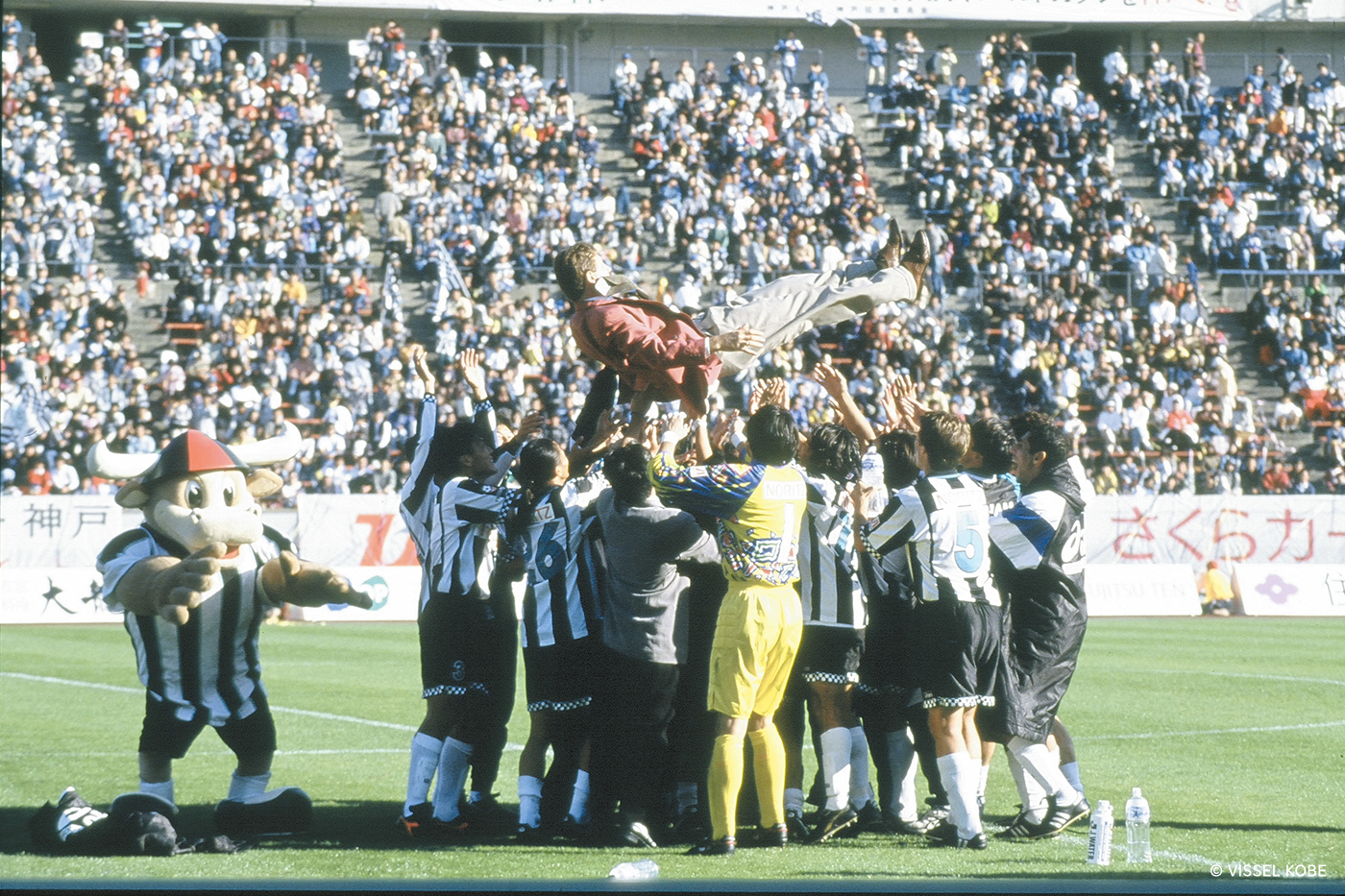
Vissel Kobe will celebrate their 30th anniversary in 2025. Now that the team has achieved the great feat of winning the J1 League title consecutively, looking back, the team's history has not been a smooth one. Despite facing numerous hardships, how did they manage to envision the future and grasp their dreams? Jun Nagata of Nikkan Sports, who has been following the team as a beat reporter for many years, has written an essay that delves into the essence of their strength.
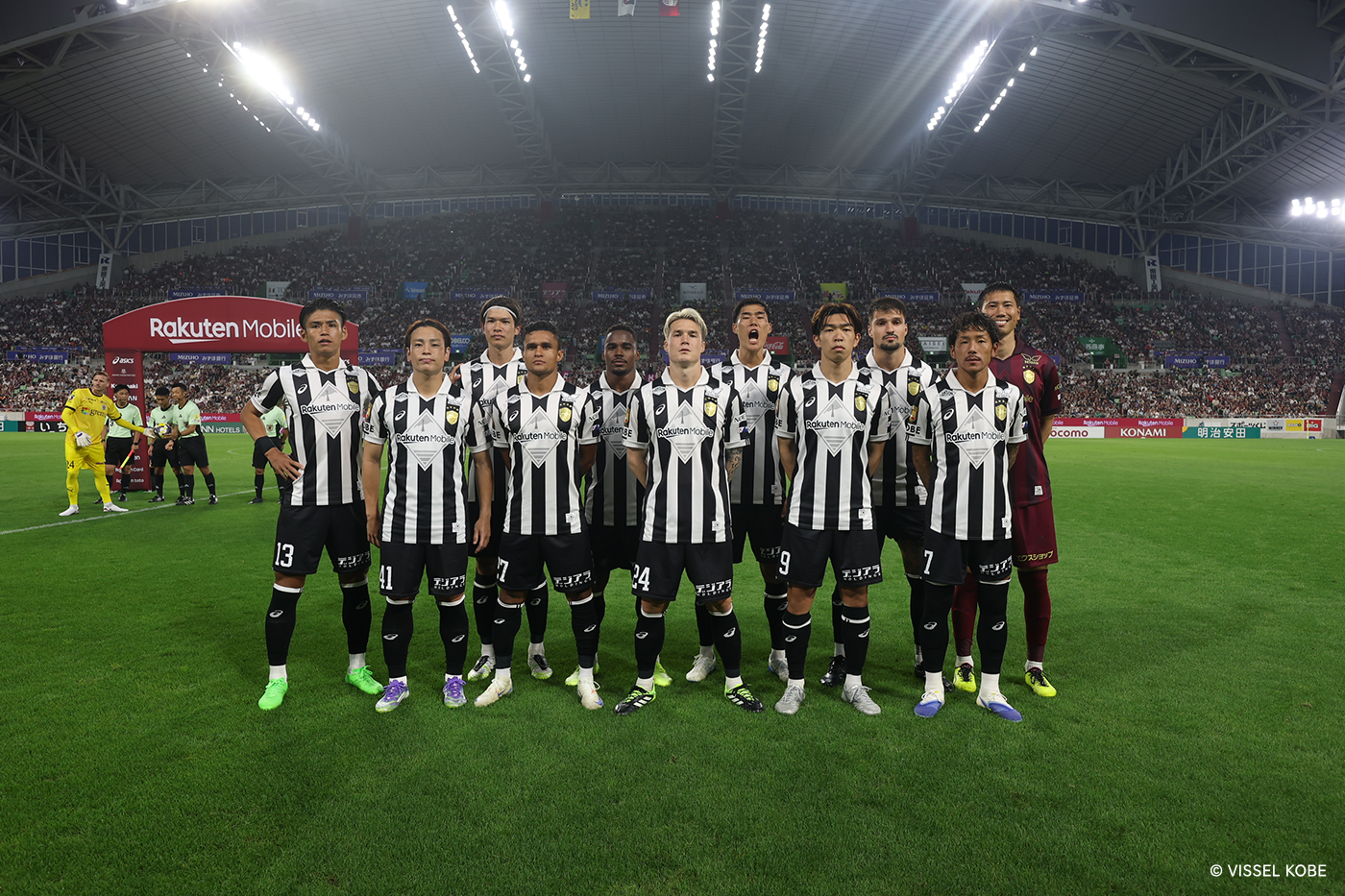
In 2023, they won the J1 League for the first time, and the following year in 2024, they achieved a double crown by winning the league title for the second consecutive year and the Emperor’s Cup.Vissel Kobe is currently known as one of the strongest clubs in the J.League.
This season, the team has had many injured players and has been forced to play eight consecutive games starting in February, including the AFC Champions League Elite (ALCE), the Fujifilm Super Cup, and the J1 League, which has meant that they have not been able to achieve the results they wanted in the early stages.In the league, they were winless in their first four games, and in March they were eliminated in the round of 16 of the ACLE after losing to Gwangju FC (South Korea).The difficult battle continued.However, with the return of their players, the team regained their strength and gradually rose up the rankings, and in the 27th round match against Cerezo Osaka on August 23rd, they were in 5th place, just one point behind the leader.The team is now in a position where they can achieve the feat of winning the league three times in a row.
Vissel Kobe is now a strong team, but it took a long time to get to this point.
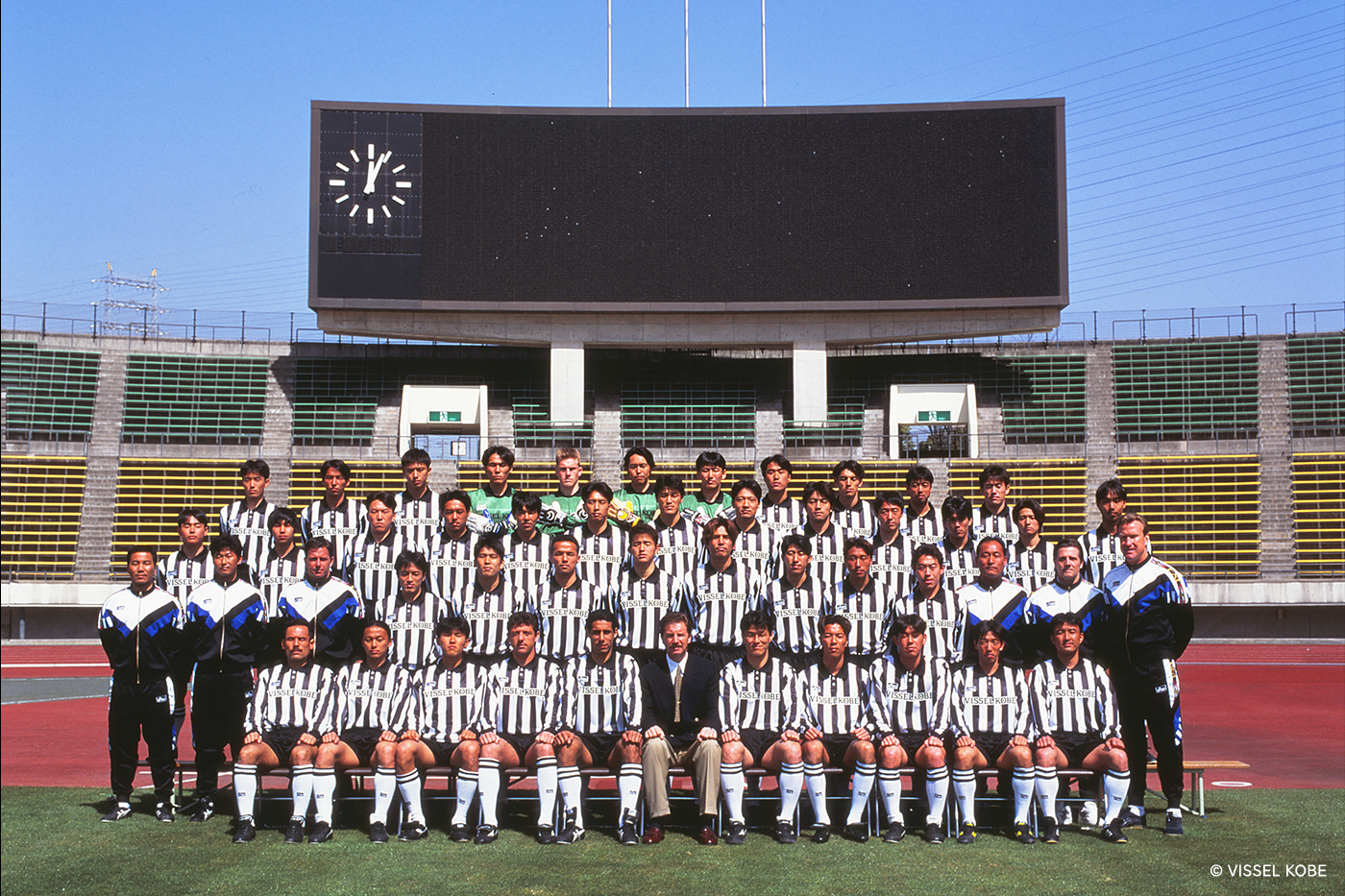
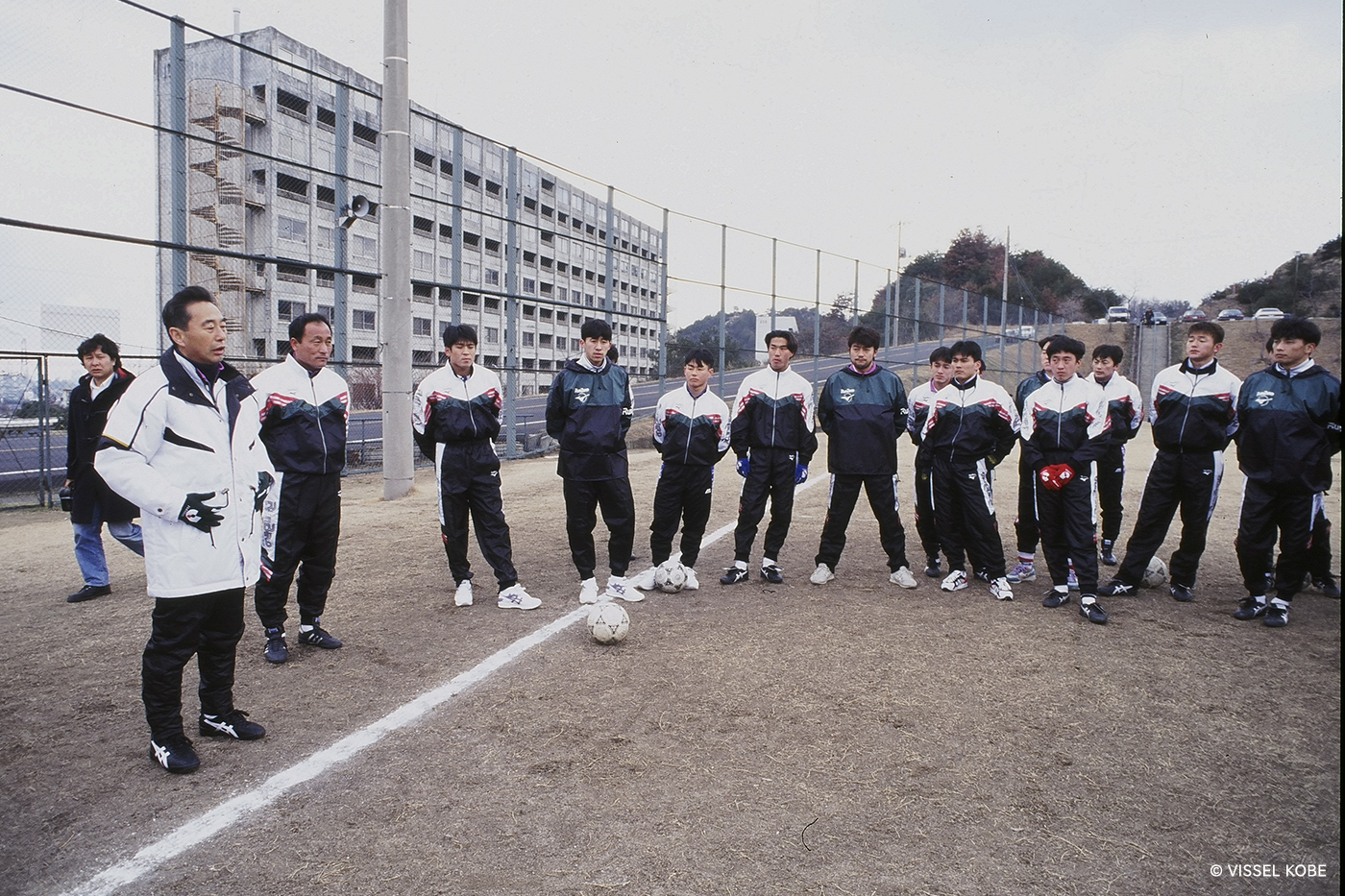
Vissel Kobe when it was founded in 1995.
The club was founded on January 17, 1995.On the day of the first practice, the Great Hanshin-Awaji Earthquake occurred.From then on, with the help of the Kawasaki Steel Mizushima Soccer Club, which was the parent organization, the club began activities in Kurashiki.They then returned to Kobe, where they finished second in the JFL in 1996 and was promoted to the J.League.
At the end of 2003, due to a management crisis, the club was transferred to Crimson Football Club (now Rakuten Vissel Kobe) under the Civil Rehabilitation Act.At the time, when the club tried to lease equipment, they would get turned down with responses like, “Vissel?You won’t last very long, will you?”The club was also relegated to J2 in 2005 and 2012.They worked their way up from there and finally made it to their current position.Although the team was never particularly strong to begin with, their rise despite many twists and turns is reminiscent of the city of Kobe, which recovered from the devastating earthquake disaster, and they continue to progress as a club that symbolizes Kobe.
The “Kobe Sanka” sung by the supporters truly demonstrates the connection between the club and the city.
The day you were born in our town
No matter what happens, I won’t forget
We hurt together, we stand up together,
Let’s keep walking forever
We want to protect this beautiful port town
I want to love Kobe as long as I live
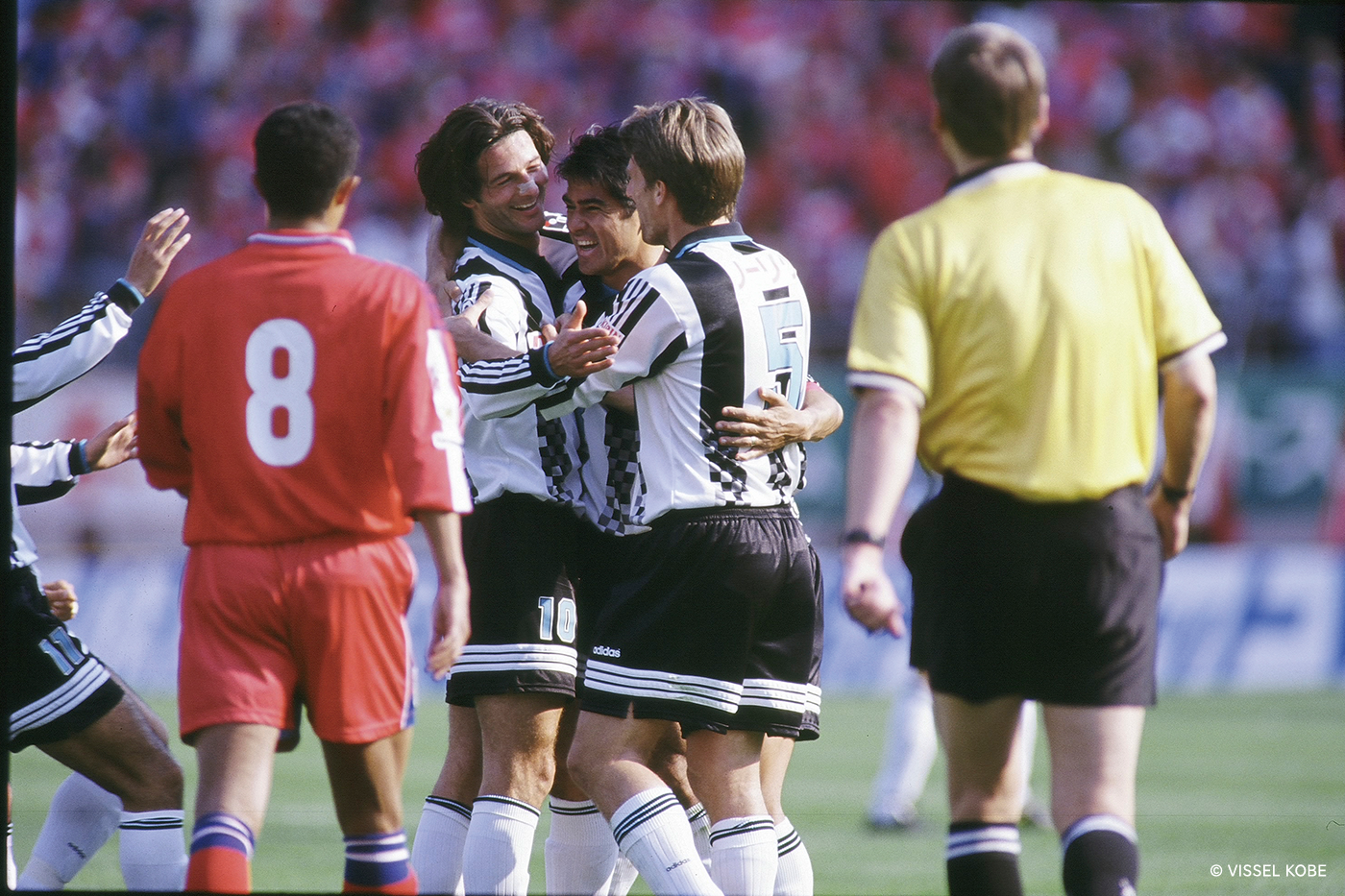
Vissel Kobe in 1997.
The year 2025 marks the 30th anniversary of the club’s founding.
How can we connect what we have cultivated over the past 30 years to the future?This is an issue that clubs operating in the city of Kobe must constantly consider.
The generation born in 1995, the year the earthquake occurred, will turn 30 this year.Even if there are players who have memories from their childhood, the reality is that most Soccer players are already part of a “generation that does not know about the earthquake disaster,” considering the age at which they are active.
In this context, the Vissel Kobe Academy and its players will play an important role in continuing the history.
The academy has been attending the “1/17 Gathering for the Great Hanshin-Awaji Earthquake,” held every year on January 17th at Higashi yuenchi (Kobe East Park) in Kobe’s Chuo Ward, to convey the meaning of gaining a deeper understanding of the earthquake and playing in Kobe.
The academy graduates who are currently on the top team also received this education.
Defender Tetsushi Yamakawa, who has been serving as captain since this season, was born in 1997, two years after the earthquake, but he has special feelings about playing for a Kobe club.
“Vissel Kobe is a club that has walked alongside the recovery.We want to work hard to become a club and players that can inspire and encourage many people, and give them the strength to look forward in life, even if just a little.”
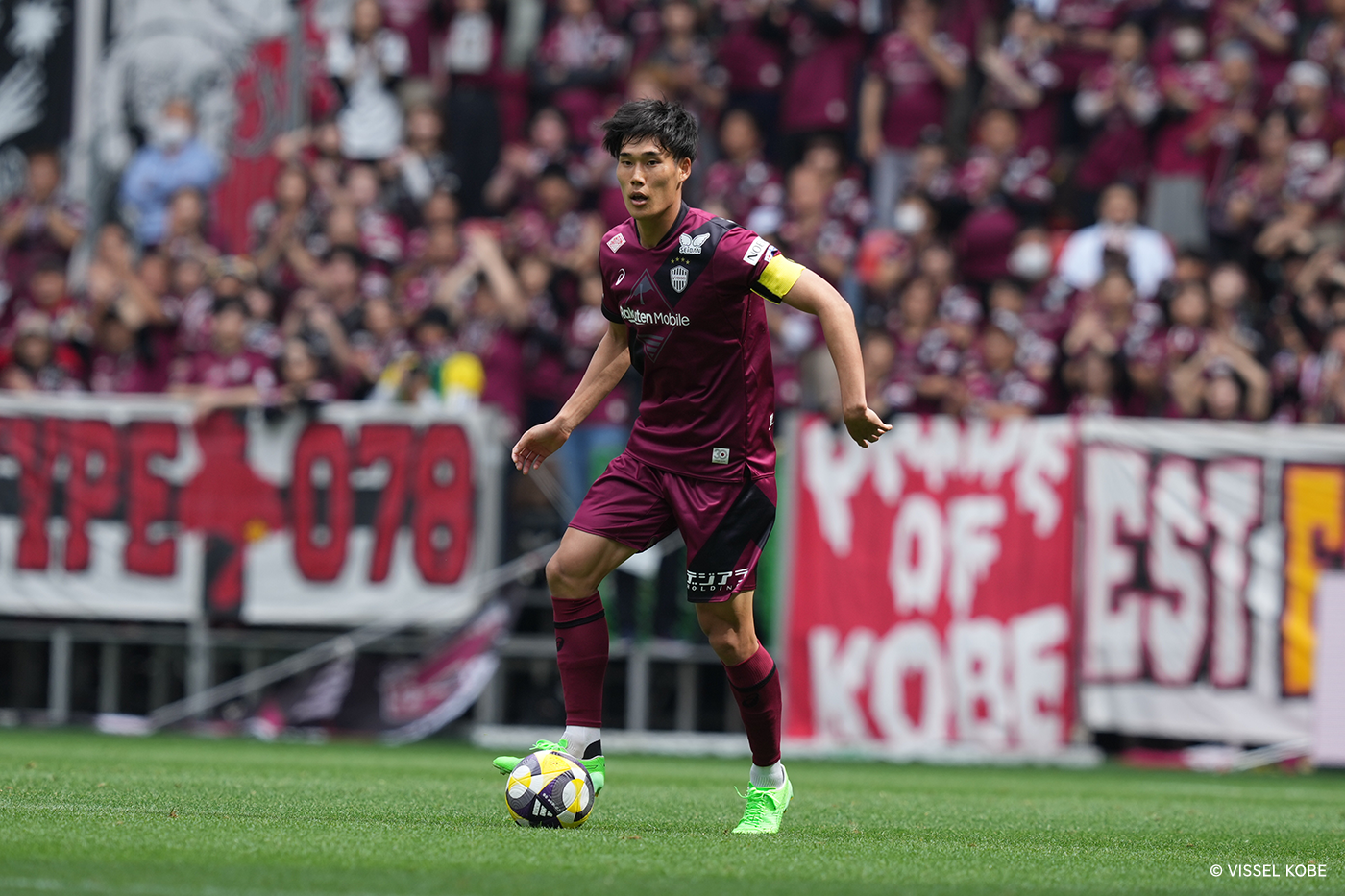
Player Tetsushi Yamakawa.
On January 17th of this year, all of the top team’s players and staff, approximately 60 people, participated and observed a moment of silence at 5:46 a.m., the time the earthquake occurred.Now in a position of greater responsibility, Yamakawa’s resolve was strengthened once again.The club has grown alongside the city and reached the top of the J1 League, and will continue to cherish what it means to fight in this city.
In addition to the connection to the earthquake disaster, the increasing presence of players who have grown up in the academy and are now active on the top team is something that will lead to the club’s future.
Vissel Kobe player pool is getting stronger every year, with world-class star players on its roster, and Yamakawa serves as captain and midfielder Daiju Sasaki is one of the team’s key players, serving as an inspiration and example to younger academy students and young Soccer players aspiring to become professionals.
Yamakawa always keeps this in mind when he steps onto the pitch.
“Even in a team that has many foreign players and former Japan national team players, I think it’s important to show that players from the academy can compete.I think that this is my identity at this club, and I want to be a source of hope for many academy players by doing well.”
Yamakawa was not promoted directly from Kobe U-18, but rather joined the top team as a “return” via the University of Tsukuba.Going to university would have opened up more opportunities for him to become a professional at another club, but Yamakawa, who had a strong love for Kobe, didn’t even consider going anywhere else.
“From the moment I went to university, all I could think about was returning to Vissel Kobe.I had been playing since middle and high school, so I had a strong attachment to the club and never thought about going professional anywhere else.”
He was reportedly offered promotion from the youth team to the top team, but declined due to his lack of ability.The man returned having grown significantly during his four years at university, demonstrating his love for the team through his play and behavior, to the point where he was appointed captain.
“I’ve always wanted to be a guiding light for the players in the academy.To become a symbol that says, ‘This is the kind of player I should aim to be.’I think being captain as a player who came through the academy gives them hope.”
His future will determine the future of the club.He plays with that level of determination.
Midfielder Daiju Sasaki, now 25 years old and approaching the age where he is considered middle-aged, is also one of the players who is increasing his presence within the team.
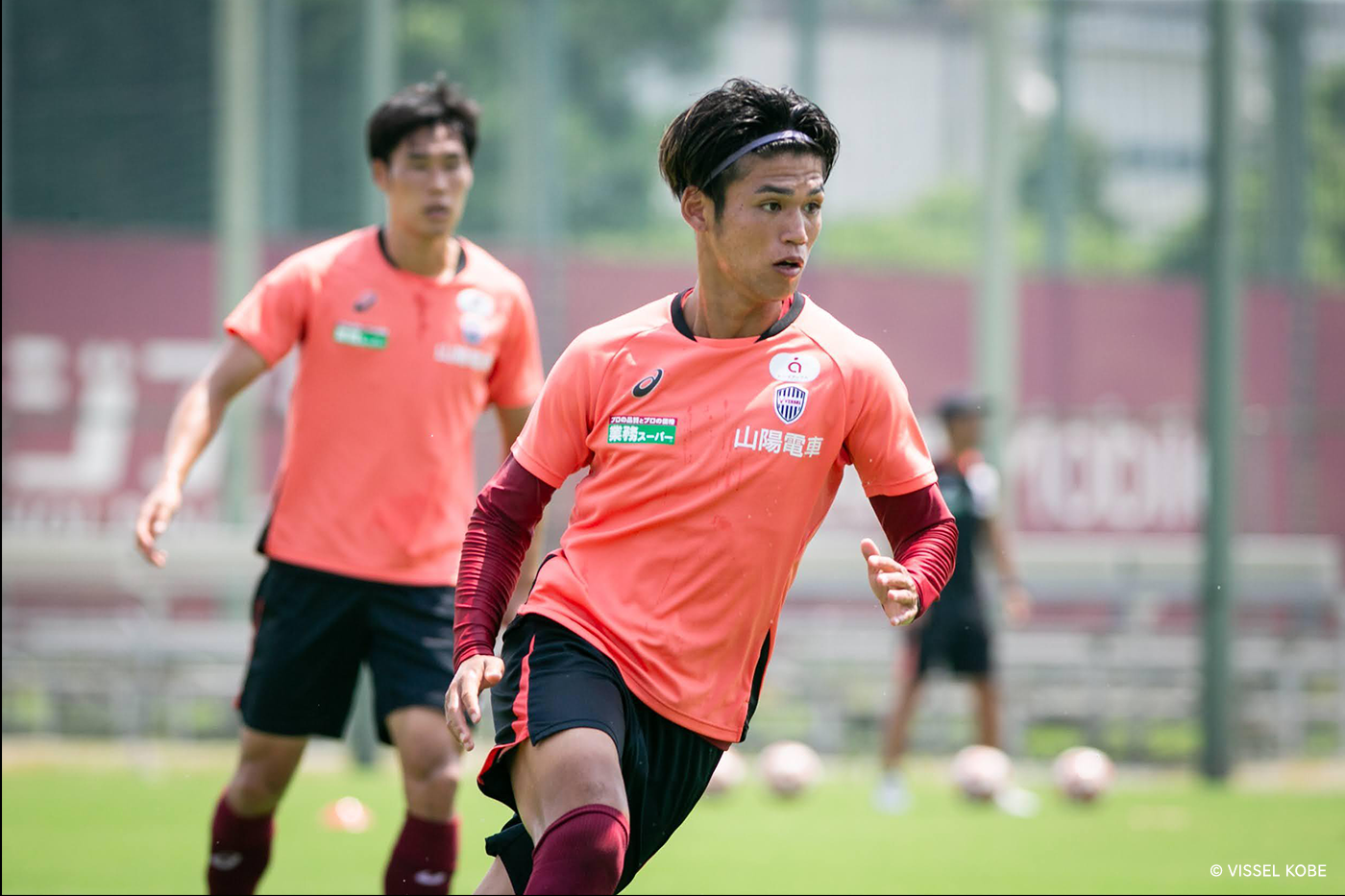
Daiju Sasaki.
Sasaki, who is from Shimane Prefecture, has been a member of the Vissel Kobe Academy since the U-15 level.He was promoted to the top team in 2018, and after a period of training at Palmeiras (Brazil), he returned to Vissel Kobe where he has continued to improve.
Sasaki, who now plays a central role on the team, continues to play with the same awareness as a representative of the academy graduates, just like Yamakawa.
“In order for the club to improve, we want to create a route for players who have graduated from the academy to thrive.The club is getting bigger, and I’m sure everyone has the image of it being a team that attracts star players.I feel that I and (Yamakawa) Tetsushi have to lead the way and prove that even players from the academy can be successful.”
How can we, who grew up at our own club, make our presence felt among the talented players coming from other clubs?Sasaki places importance on this aspect, not only aiming to create a strong team, but also to become a more beloved team.
“I think there are players who come to the club to take the next step or because it’s a club that’s well known, but I personally was raised by the academy and I feel it’s important to play with love for the club.Of course, I’m sure everyone has those feelings, but I feel them more strongly than most people, so I try to be constantly conscious of them.As the club has won the J.League title consecutively and is attracting attention, we would like to continue to value that aspect even more.That’s what I’m thinking.”
At the training ground and in the stadium, supporters of all ages shouted, “Daiju!”The reason why Sasaki receives such cheers is not only because of his own character, but also because it is clear that he plays with love for the club.Even from the perspective of supporters, he is recognized as a player who loves Kobe, so he is someone they can interact with in a friendly manner.Having such players who can act as “links” will likely become essential in terms of building good relationships between the club and its supporters.
TEXT: Jun Nagata
-
- Nikkan Sports reporter
- Jun Nagata
Born in 1980.After working for a trading company, as a freelance Soccer writer, a trading company, and a foreign semiconductor manufacturer, he joined the Nikkan Sports Newspaper West Japan in April 2011.He is in charge of covering sports in the Kansai region, including Vissel Kobe.Holds a Japan Soccer Association Class B license.Technical Committee Chairman of the Japan Amputee Soccer Association.
Recommended Articles
Choose your language for syncSPORTS by Rakuten
Our services are provided within the region and laws of Japan
We provide translations for your convenience.
The Japanese version of our websites and applications, in which include Rakuten Membership Rules, Privacy Policy or other terms and conditions, is the definitive version , unless otherwise indicated.
If there are any discrepancies, the Japanese version shall prevail. We do not guarantee that we always provide translation. Certain features or messages (including customer services) may not be available in the selected language.
Powered by Rakuten Al
Enjoy syncSPORTS by Rakuten in English!
Our services are provided within the region and laws of Japan and we provide translations for your convenience. The Japanese version of our websites and applications, in which include Rakuten Membership Rules, Privacy Policy or other terms and conditions, is the definitive version , unless otherwise indicated. If there are any discrepancies, the Japanese version shall prevail. We do not guarantee that we always provide translation. Certain features or messages (including customer services) may not be available in the selected language.
Read usage guidePowered by Rakuten Al
Popular Tags
- #Baseball
- #Vissel Kobe
- #Rakuten Eagles
- #Soccer
- #Basketball
- #Athlete's Essentials
- #Second Career for Athletes
All Tags
- #Hiroto Kobukata
- #Wang Chih-Hsuan
- #Chen Chen-Wei
- #Huang Tzu-Peng
- #Yuya Kishimoto
- #Yang Po Hsiang
- #Tsubasa Yoshino
- #Masahiro Ehara
- #Haruto Nakagomi
- #Kazuto Tokuyama
- #Futo Nagamori
- #Blind Soccer®
- #Rui Muneyama
- #Parasports Experience Park by Rakuten
- #Vissel Sereia
- #Ceng Hao-Ju
- #Tohoku Golden Angels
- #Masahiro Tanaka
- #Sports for Everyone
- #Kiaki Miura
- #Rakuten SUPER GAME
- #Future Festival
- #Rakuten Optimism
- #Horse Racing
- #Rakuten Keiba
- #Keirin
- #Rakuten K Dreams
- #Yuya Ogoh
- #Itsuki Murabayashi
- #Haruya Ide
- #Kakeru Yamauchi
- #Daisuke Nakashima
- #Fumiya Kurokawa
- #Ryuya Taira
- #Takahisa Hayakawa
- #Stadium Beer Girls
- #Rakuten SPORTS ZONE
- #Rakuten GORA
- #Golden State Warriors
- #UPRISING TOKYO
- #WUBS
- #Rakuten Girls
- #NBA
- #UPRISING SPARK
- #WIND AND SEA
- #Golf
- #Baseball
- #Basketball
- #Soccer
- #Rui Machida
- #Takahiro Norimoto
- #Daichi Suzuki
- #Lisa Bayne
- #Kazuhisa Ishii
- #Vissel Kobe
- #Rakuten Monkeys
- #Chen Kuan-Yu
- #Lin Xiang
- #Hime
- #Yuki Matsui
- #Kenji Furukubo
- #Hotaru Yamaguchi
- #Gotoku Sakai
- #Yuya Osako
- #Yoshinori Muto
- #Daiya Maekawa
- #Takayuki Yoshida
- #Rakuten Eagles
- #Team Staff
- #Para-cycling
- #Kazuhei Kimura
- #Mari Miyano
- #Ginji Akaminai
- #Dance
- #Skateboarding
- #Cheerleading
- #Andres Iniesta
- #Yuto Horigome
- #Lin Li
- #Chu Yu-Hsien
- #Liao Chien-Fu
- #Sayaka Imai
- #Sae Takemoto
- #Stephen Curry
- #Rakuten Super Baseball Game
- #Kai King
- #Shun Murakami
- #Athlete's Essentials
- #Surfing
- #Tokyo Philharmonic Orchestra
- #Daichi Deguchi
- #Rakuten Super Match
- #Tomoaki Makino
- #Katsuya Nomura
- #Daiju Sasaki
- #Takahiro Ohgihara
- #Stadium Food
- #Takuhiro Nakai
- #Parasports
- #Charity
- #Javelin Throw
- #Ryo Hatsuse
- #Chris Sasaki
- #Takuya Iwanami
- #Yuki Honda
- #Mitsuki Saito
- #Sidmar Antônio Martins
- #Shota Arai
- #Dreams Come True
- #Kai Toews
- #Seiryu Uchi
- #Wings to Dreams
- #Kosei Shoji
- #Mitsuki Hidaka
- #Tomo Sugawara
- #Kunie Kitamoto
- #Hikaru Ohta
- #A Greener Future
- #Hideshiro Minami
- #Circularity Assessment
- #Nanaka Fujisawa
- #Tatsuki Koja
- #Seiya Ohuchi
- #Nat Young
- #Momohei Yabushita
- #Kei Kobayashi
- #Snowboarding
- #Shoma Fujihira
- #Hakuto Kitayama
- #Taisei Miyashiro
- #Tetsushi Yamakawa
- #Tsuyoshi Yasuda
- #Steve Kerr
- #Takero Okajima